ProStrike Pest Solutions
Pest Control in Queen Creek, AZ That Keeps Pests Out for Good
Local, family-owned pest control in Queen Creek, AZ. We eliminate scorpions, termites, ants, roaches, rodents, spiders, and more — with thorough inspections, targeted treatments, and consistent protection that actually lasts.

Family Owned
Operated Queen Creek, AZ Locals

Licensed & Insured
AZ Pest License #10175

Thorough Inspections
We Find the Source, Not Just the Symptoms

No Shortcuts
Ever Consistent Results Every Visit
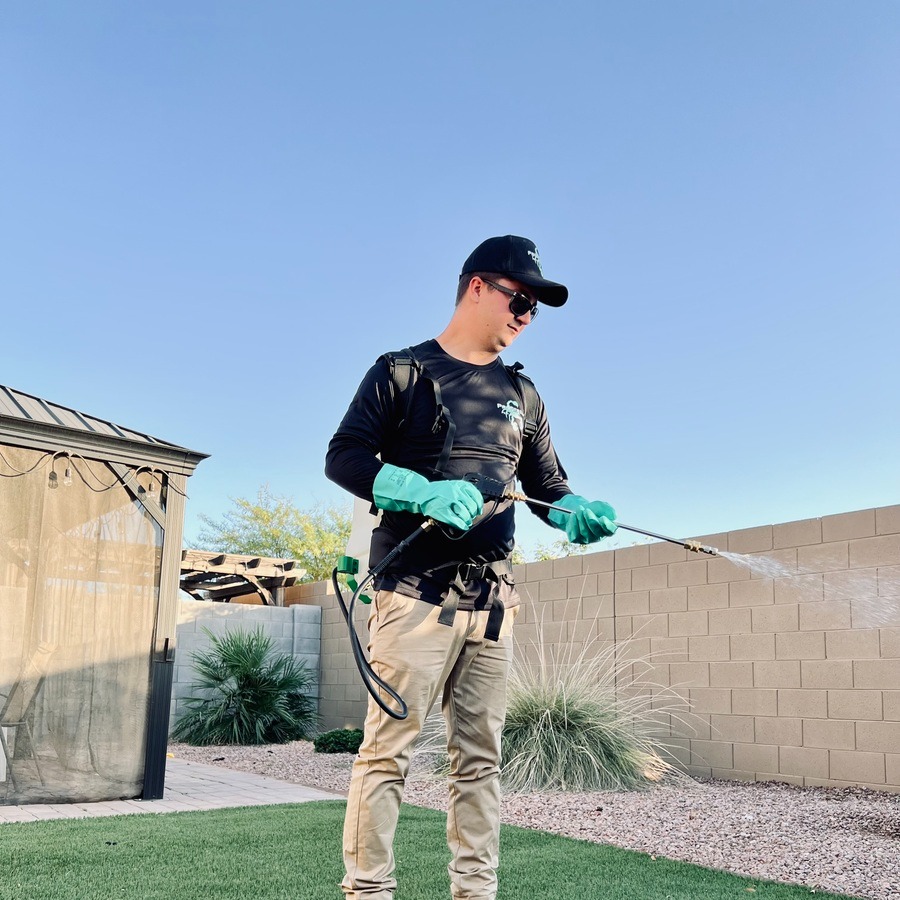
Queen Creek's Local, Family-Owned Pest Control Company
If you are seeing scorpions in your garage, ants marching through your kitchen, or roaches hiding behind your walls, a quick spray from a company that does not know your neighborhood is not going to cut it. You need a local team with a real plan.
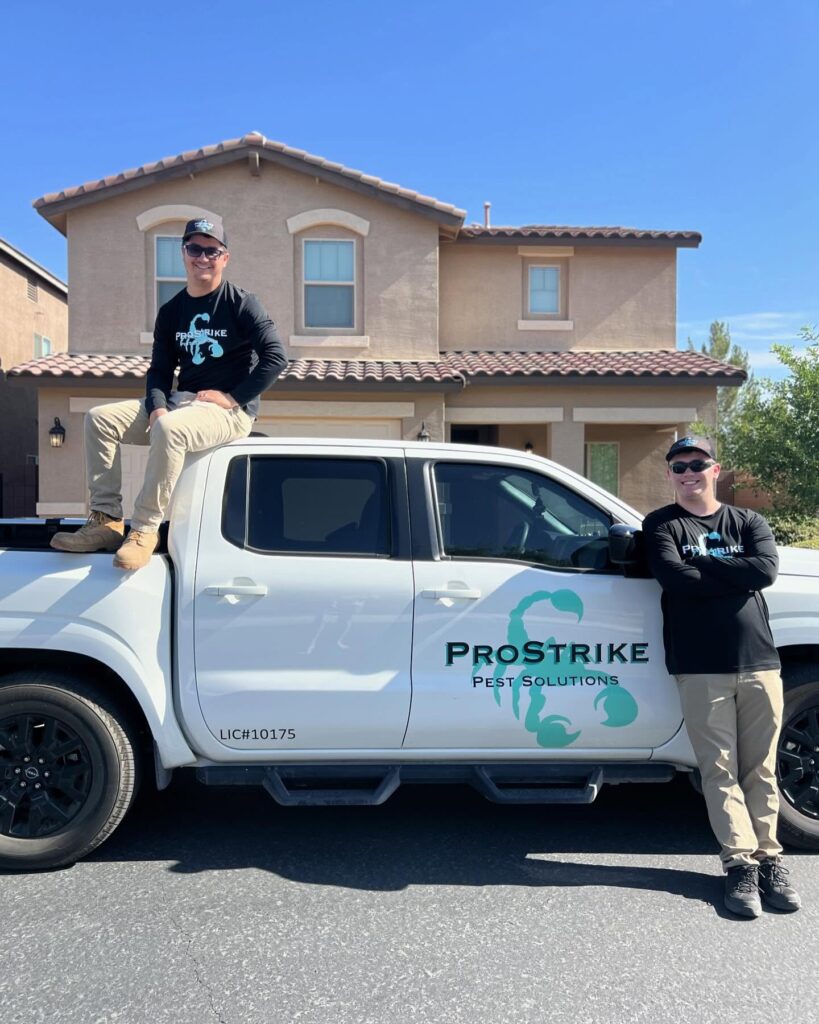
ProStrike Pest Solutions is based right here in Queen Creek, Arizona. We are a licensed, family-owned pest control company that serves homeowners across the East Valley — and because we live and work in the same desert you do, we know exactly what pests are active in your area and why they keep coming back.
When we show up, we do not just spray and leave. We inspect your home thoroughly, identify every active problem zone and entry point, treat the interior and exterior with targeted products, and give you practical guidance on keeping pests from returning. That is the ProStrike difference.
Licensed & Professional
We are licensed through the Arizona Pest Management Division.
AZ Lic #10175
Pest Control Services We Offer in Queen Creek, AZ
We protect Queen Creek homes from the most common and most damaging desert pests. Here is what we help with most.

General Pest Control in Queen Creek, AZ
Our general pest service covers the desert pests Queen Creek homeowners deal with most — ants, spiders, crickets, earwigs, and more. Every service includes a full interior and exterior inspection followed by a targeted treatment and perimeter barrier. We do not guess. We find the source.

Scorpion Control in Queen Creek, AZ
The Arizona bark scorpion is the most venomous scorpion in North America — and Queen Creek has plenty of them. Our scorpion control service targets the block walls, landscaping beds, and harborage zones where scorpions hide and hunt. We reduce the population around your home so your family is not living on edge every night.

Termite Inspection & Treatment in Queen Creek, AZ
Termites cause damage silently and fast. If you are seeing mud tubes, hollow wood, or swarming activity around your home, do not wait. ProStrike offers thorough termite inspections and targeted treatment options based on what we find — not a one-size-fits-all package.

Specialty Services in Queen Creek, AZ
Queen Creek Pest Control Done Right the First Time
Seeing scorpions, ants, roaches, or spiders around your home isn’t just frustrating—it’s disruptive. At ProStrike Pest Solutions, we provide pest control in Queen Creek, AZ built around a clear plan: inspect thoroughly, treat strategically, and maintain consistent protection. We don’t rely on quick sprays or shortcuts. Instead, we focus on entry points, exterior pressure zones, and the small conditions that cause pests to return. With dependable bimonthly service and straightforward communication, our goal is simple—reduce pest activity now and help keep it from coming back.
Our Approach: Simple, Thorough, Effective
Inspection First: We look for activity and problem areas around your home.
Complete Treatment: Interior + exterior service focused on key pest zones.
Prevention Focus: We help reduce conditions that attract pests.
Consistent Follow-Through: Bimonthly service (billed monthly) keeps protection steady.
Plans That Fit Your Needs
Licensed Professional Results
We are licensed through the Arizona Pest Management Division (AZ Lic #10175). Our process is built around superior detailed service that the bigger companies often overlook.
Full Inspection
We find activity zones and entry points before we even pick up a sprayer.
Perimeter Barrier
3x3 liquid perimeter treatment plus granulation in harborage zones.
Clear Guidance
Practical tips to reduce conditions that attract pests between visits.
Frequently Asked Questions About Pest Control in Queen Creek, AZ
ProStrike offers bimonthly pest control plans in Queen Creek billed monthly with no hidden fees. Exact pricing depends on your home size and the plan you choose. We publish all of our pricing transparently — visit our pricing page to see your options before you call.
In Arizona’s desert climate, bimonthly service — every two months — is the most effective schedule for most homes. The heat accelerates chemical breakdown, so a single treatment does not last long enough to maintain real protection. Bimonthly service keeps a steady barrier in place year-round.
Yes. The products ProStrike uses are applied professionally and in targeted areas. We always tell you exactly what we are applying, where, and how long to wait before kids and pets re-enter treated areas. We are happy to answer any product-specific questions before we begin.
No. ProStrike does not require long-term contracts. Our bimonthly service plan is flexible and billed monthly. You stay because the service works, not because a contract forces you to.
The most common pests in Queen Creek homes are Arizona bark scorpions, subterranean termites, roof rats, American and German cockroaches, ants, black widow spiders, and crickets. Mosquito pressure also increases sharply during Arizona’s monsoon season from July through September.
Yes. ProStrike Pest Solutions is fully licensed through the Arizona Pest Management Division — AZ Lic #10175. We are also fully insured. You can verify our license at any time.
Serving the East Valley
We’re based right here in Queen Creek, but our trucks cover the entire East Valley. We know exactly what desert pests you’re dealing with because we live here too.
- Queen Creek
- San Tan Valley
- Gilbert
- Mesa
- Chandler
- Tempe
- Apache Junction
- Phoenix
- Maricopa
Ready to Get Your Pest Problem Under Control? Let's Talk.
Whether you are dealing with scorpions, termites, roaches, ants, rodents, or something else entirely — ProStrike is ready to help. We serve Queen Creek and the entire East Valley with fast, thorough, family-owned pest control you can trust.
Call or text us at (480) 466-0266, fill out our contact form, or request a free quote online. Same-day and next-day appointments are often available.