Mesa
Pest Control in Mesa, AZ — Thorough, Licensed & Built for the Desert
Mesa is the third-largest city in Arizona — 133 square miles of mature neighborhoods, active desert corridors, SRP canal infrastructure, and rapid east-side growth. That size and geographic diversity create pest environments that vary dramatically from one part of the city to the next. What drives scorpion pressure in east Mesa near the Usery Mountain Regional Park is entirely different from what sustains termite and cockroach activity in older west Mesa neighborhoods along the canal system. One-size-fits-all pest control doesn’t work in a city this complex.
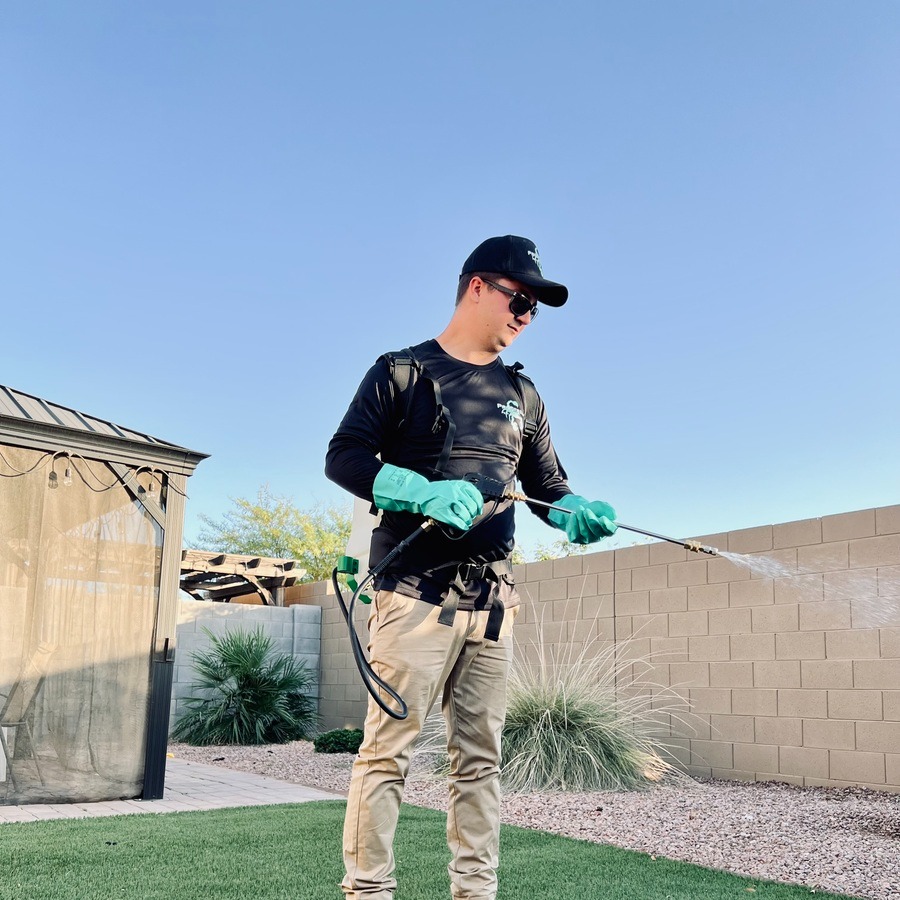
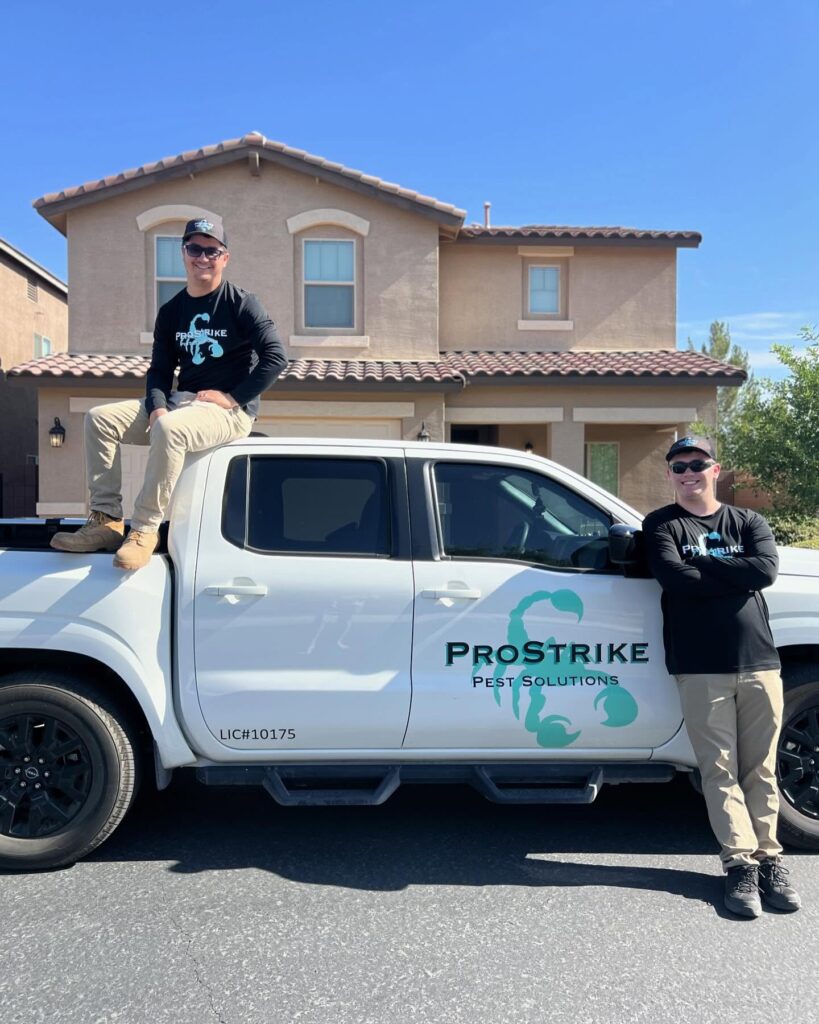
ProStrike Pest Solutions provides pest control in Mesa, AZ with thorough property inspections, treatments targeted to each specific pest species, and prevention-focused service built around what’s actually happening at your home — not a standard route. We hold Arizona pest management license AZ Lic #10175, carry full liability insurance and workers’ compensation, and publish our pricing online before you call. We are a family-owned company, not a franchise, operating out of Queen Creek and servicing Mesa properties on a regular basis.

East Mesa vs. West Mesa — Two Different Pest Environments
Most pest control companies treat all of Mesa the same way. That’s the wrong approach, and it’s why so many homeowners here cycle through companies without getting lasting results. Mesa’s pest pressure is shaped by geography — and the east-west divide matters.
West Mesa: Canals, Mature Trees, and Established Neighborhoods The western half of Mesa was developed decades earlier and sits within the densest section of the SRP canal and lateral irrigation network in the East Valley. The Consolidated Canal, the Eastern Canal, and dozens of irrigation laterals running through established neighborhoods like Dobson Ranch, Las Brisas, and the areas around Country Club Drive provide permanent ground-level moisture that sustains subterranean termite colonies year-round, supports American cockroach populations through sewer and irrigation infrastructure, and creates standing water conditions that sustain mosquito breeding through the monsoon season and beyond. Mature citrus and mesquite trees in these neighborhoods also provide established harborage for roof rats and Arizona bark scorpions.
East Mesa: Desert Interface, New Construction, and Raw Desert Pressure East Mesa — the Eastmark, Red Mountain, and Las Sendas corridor east of the 202 Freeway and stretching toward the Usery Mountain Regional Park — is a different pest environment entirely. Homes here border active desert, undeveloped BLM parcels, and natural desert washes that push scorpions, pack rats, and gophers directly into residential areas. New construction zones displace ground-nesting termite colonies into adjacent finished homes. The absence of mature landscape means less rodent harborage but more direct scorpion and desert pest pressure.
Mesa’s Historic Core: High-Density Urban Pest Pressure The older neighborhoods around downtown Mesa, Mesa Drive, and the areas near Arizona State University’s Polytechnic campus deal with high-density urban pest pressure — German roaches spreading through shared walls in apartment-adjacent zones, persistent American cockroach activity from aging sewer infrastructure, and bird-related pest issues around commercial and multi-use buildings.
Pest Control Services We Provide in Mesa, AZ
Every ProStrike service in Mesa begins with a real property inspection. We identify what pest species are active, where they’re entering, what conditions are driving the infestation, and what’s specific to your neighborhood and property layout. We treat what we find — not a preset checklist. Here is what we offer:
General Pest Control Our most popular service for Mesa homeowners. Bimonthly interior and exterior treatment covering ants, spiders, crickets, earwigs, silverfish, cockroaches, and common household pests, with scorpion protection included on every visit. We apply integrated pest management principles — targeted treatment at entry points and harborage zones based on what the inspection reveals. See plan pricing.
Scorpion Control The Arizona bark scorpion (Centruroides sculpturatus) is Mesa’s most dangerous household pest — the most venomous scorpion in North America and a climber that hides in ceiling voids, wall cavities, and inside shoes and bedding. Scorpion pressure is highest in east Mesa neighborhoods bordering desert washes and undeveloped parcels, and in west Mesa neighborhoods with mature landscaping and block wall corridors. Our scorpion control service targets harborage zones at the block wall base, landscape bed perimeters, eave lines, and structural entry points — not just a standard perimeter spray.
Termite Inspection & Treatment Mesa’s SRP canal infrastructure makes west Mesa neighborhoods some of the highest termite-pressure zones in Maricopa County. Desert subterranean termites (Heterotermes aureus) require sustained soil moisture to establish and expand colonies — and the irrigation network running beneath west Mesa neighborhoods provides exactly that year-round. The University of Arizona Cooperative Extension identifies subterranean termites as Arizona’s most destructive structural pest. We conduct full termite inspections, issue WDI reports for real estate transactions, and provide liquid soil barrier treatment, bait station installation, and targeted wood treatment.
Rodent Control Roof rats (Rattus rattus) are active across Mesa’s mature neighborhoods from October through March, nesting in attics and dense citrus or mesquite canopies before entering homes through roofline gaps and utility penetrations. In east Mesa, pack rats build nest structures around block walls, vehicles, and outdoor equipment year-round. House mice establish indoors in any season throughout the city. Our rodent control service covers full inspection, targeted elimination, entry point documentation, and exclusion guidance — a complete approach, not just bait stations at the garage door.
Mosquito Control Mesa’s canal network, HOA retention basins, and monsoon-season drainage corridors generate persistent mosquito breeding conditions from July through October. Culex mosquitoes — the primary West Nile virus vector in Arizona — can complete a full breeding cycle in as little as seven to ten days in standing water. Maricopa County Vector Control monitors West Nile activity region-wide. We treat active breeding sources with larvicide and knock down adult populations in vegetation resting zones throughout the monsoon season.
German Roach Control German roaches (Blattella germanica) are the most difficult cockroach infestation to eliminate — reproducing rapidly, nesting deep inside appliance motors and cabinet seams, and scattering away from spray-based treatments. Professional gel bait and IGR (insect growth regulator) placed directly at nesting sites is the only method that reliably eliminates a German roach infestation. Spray treatments and foggers actively disperse the colony and make the problem worse. This is the most common failure point we see from previous exterminator attempts in Mesa.
Cockroach Control American roaches and Turkestan roaches are outdoor-origin species that enter Mesa homes through weep holes, floor drains, and foundation gaps — particularly during extreme summer heat and when monsoon moisture drives them out of sewer infrastructure. These species require exterior perimeter treatment and structural entry point management, a completely different approach from the interior gel bait used for German roaches.
Live Bee Removal Africanized honey bees are the dominant feral bee population throughout Mesa and the broader East Valley. They establish colonies in block wall voids, roof soffits, eaves, and structure voids — sometimes building colonies of 20,000 to 80,000 bees before being discovered. Complete removal including full comb and honey extraction is essential: residual honey melts through drywall in summer heat, causes structural damage, and leaves a scent attractant that draws new swarms to the same location for years. The University of Arizona Extension documents this re-attraction risk clearly. Do not seal the entry or spray — call immediately.
Gopher Control Botta’s Pocket Gophers (Thomomys bottae) are active year-round in Mesa’s irrigated lots and east Mesa desert-edge properties, tunneling 6 to 18 inches below ground through lawns, drip irrigation lines, and landscape beds. Surface repellents and flooding are ineffective per UC Agriculture & Natural Resources IPM research. The only reliable solution is direct trapping or baiting inside the active main tunnel. We locate the tunnel by probe, place treatment inside it, and follow up to confirm full elimination.
Mesa Neighborhoods & Communities We Service
ProStrike services all Mesa neighborhoods across ZIP codes 85201, 85202, 85203, 85204, 85205, 85206, 85207, 85208, 85209, 85210, 85212, 85213, 85215, and 85216. Our technicians are in Mesa regularly — not routing calls from another city.
West & Central Mesa: Dobson Ranch · Las Brisas · Country Club Drive corridor · Mesa Grande · Fiesta District area · Riverview · Lehi · Red Mountain Ranch (west) · Downtown Mesa · Mesa Drive corridor · Alma School Road area
East Mesa: Eastmark · Las Sendas · Red Mountain · Ellsworth Road corridor · Signal Butte area · Usery Mountain corridor · Gateway Airport area · Hawes Road developments · Power Road corridor
ZIP Codes Served: 85201 · 85202 · 85203 · 85204 · 85205 · 85206 · 85207 · 85208 · 85209 · 85210 · 85212 · 85213 · 85215 · 85216
Not sure if your address is in our service area? Call or text (602) 691-7718 — we confirm immediately.
Mesa Seasonal Pest Calendar — What's Active & When
January – February: Termite Swarms Begin, Roof Rats Active Subterranean termite swarms begin in late January near Mesa’s irrigation corridors as warming soil temperatures trigger colony reproductive activity. Roof rats remain active in attics and mature tree canopies across west Mesa through February. This is the best window for a termite inspection before peak swarming in March.
March – May: Scorpion Season Opens, Bee Swarms Peak Arizona bark scorpion activity increases sharply as nighttime temperatures climb above 70°F. East Mesa neighborhoods bordering desert see the first scorpion pressure. Bee swarm season peaks — Africanized colonies split and establish new nesting sites across Mesa neighborhoods. Book scorpion control and live bee removal early in this window.
June – August: Heat Displacement, Cockroaches & Monsoon Mosquitoes Extreme heat drives American cockroaches from Mesa’s sewer infrastructure into air-conditioned homes through weep holes and floor drains. Monsoon onset creates immediate mosquito breeding conditions in canal margins, retention basins, and HOA greenbelts throughout the city. Cockroach control and mosquito control are the priority services during this period.
September – October: Peak Scorpion Activity, Second Bee Swarm Season Warm monsoon-season nights keep Arizona bark scorpion activity at its highest across all of Mesa. October is statistically the most active month for scorpion encounters inside Mesa homes. A second annual bee swarm season runs through October. Scorpion control is critical during this window.
November – March: Rodent Season Cooling temperatures push roof rats out of outdoor food sources and into attic and wall void nesting sites across Mesa’s established neighborhoods. Pack rat activity increases in east Mesa around desert-adjacent block walls and outdoor equipment. This is the peak period for rodent control calls throughout the city.
Get a Free Estimate
How ProStrike Service Works — Every Visit
Step 1 — Real Inspection Before Every Treatment We inspect before we treat — every single visit. We identify what’s active, where it’s entering, and what property conditions are sustaining it. A west Mesa home near an SRP canal gets a different inspection focus than an east Mesa home bordering a desert wash.
Step 2 — Complete Interior & Exterior Treatment Interior baseboards, entry points, and identified problem zones. Exterior perimeter, block wall base, eave line, and harborage areas. Treatment reflects what we actually find — not a preset service route regardless of conditions.
Step 3 — Prevention Guidance on Every Visit We walk through the specific harborage zones, moisture sources, and entry points driving pest pressure at your property. Integrated pest management means combining professional treatment with practical property-level changes that reduce the conditions pests depend on to survive and reproduce.
Step 4 — Bimonthly Ongoing Protection Pest pressure in Mesa shifts with the seasons but never fully stops. Bimonthly service — every other month, billed monthly — maintains continuous protection adapted to each season’s dominant pest activity. Compare all plan options and pricing.
Frequently Asked Questions — Pest Control in Mesa, AZ
The most frequent pest control calls from Mesa homeowners are for scorpions (March–October), termites (year-round, highest near canals in west Mesa), roof rats (October–March), American cockroaches (June–August), ants, spiders, and crickets. Mosquito, gopher, German roach, and bee removal calls are also common in specific seasons and neighborhoods.
Yes. Scorpion protection is included in every plan. For Mesa homes in east Mesa near desert washes, or in west Mesa neighborhoods with mature landscaping and block wall corridors, our dedicated scorpion control service adds targeted harborage zone treatment beyond standard perimeter coverage.
Do you offer same-day pest control in Mesa? Yes, when available. For urgent situations — active bee colonies, scorpions inside the home, or active rodent infestation — call or text (602) 691-7718 and we will respond as quickly as possible.
ProStrike publishes pricing online — you know exactly what you’re paying before you call. See our full pricing page — no high-pressure quotes, no surprises at the door.
Yes. We use EPA-registered products applied by a licensed Arizona exterminator following all label safety guidelines. We walk you through any specific precautions for your home on every visit.
We are based in Queen Creek, typically 20 to 30 minutes from most Mesa neighborhoods. We service Mesa properties regularly and do not route calls through a distant office.
Visit our FAQ page for more answers on service preparation, scheduling, and what to expect.
Find Us — Based in Queen Creek, Serving All of Mesa
Other East Valley Communities We Serve
We’re based right here in Queen Creek, but our trucks cover the entire East Valley. We know exactly what desert pests you’re dealing with because we live here too.
- Queen Creek
- San Tan Valley
- Gilbert
- Mesa
- Chandler
- Tempe
- Apache Junction
- Phoenix
- Maricopa
Schedule Pest Control in Mesa, AZ Today
Call or text (602) 691-7718 or use our contact page to request a free estimate. We inspect your property, explain exactly what we find, and give you a straight recommendation — no pressure, no upsells.
Read reviews from East Valley homeowners → · Learn more about ProStrike →