What Are the Warning Signs of Termites in Queen Creek, AZ Homes?
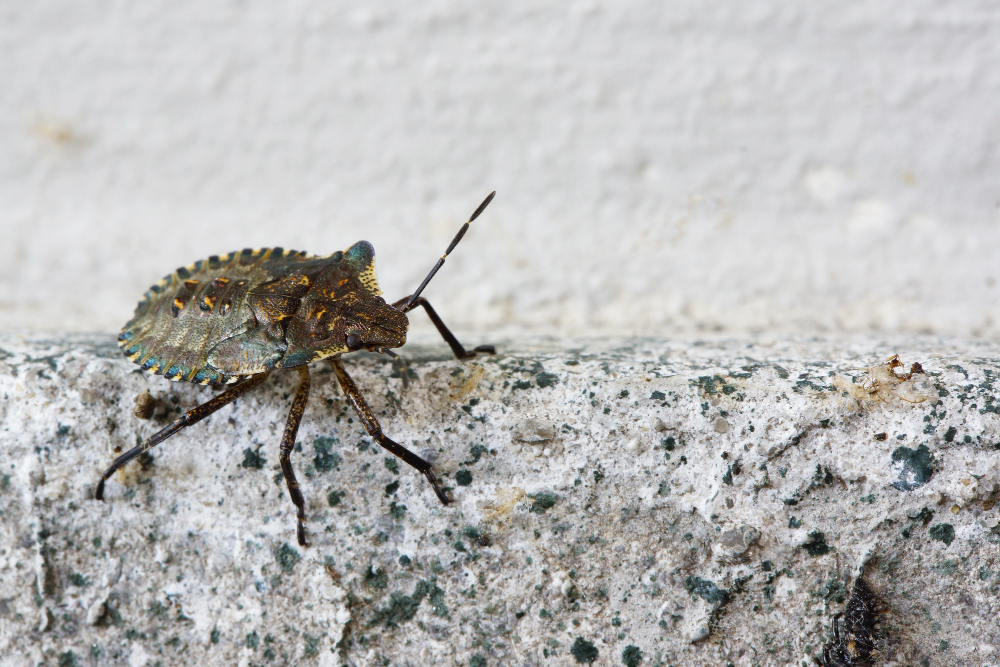
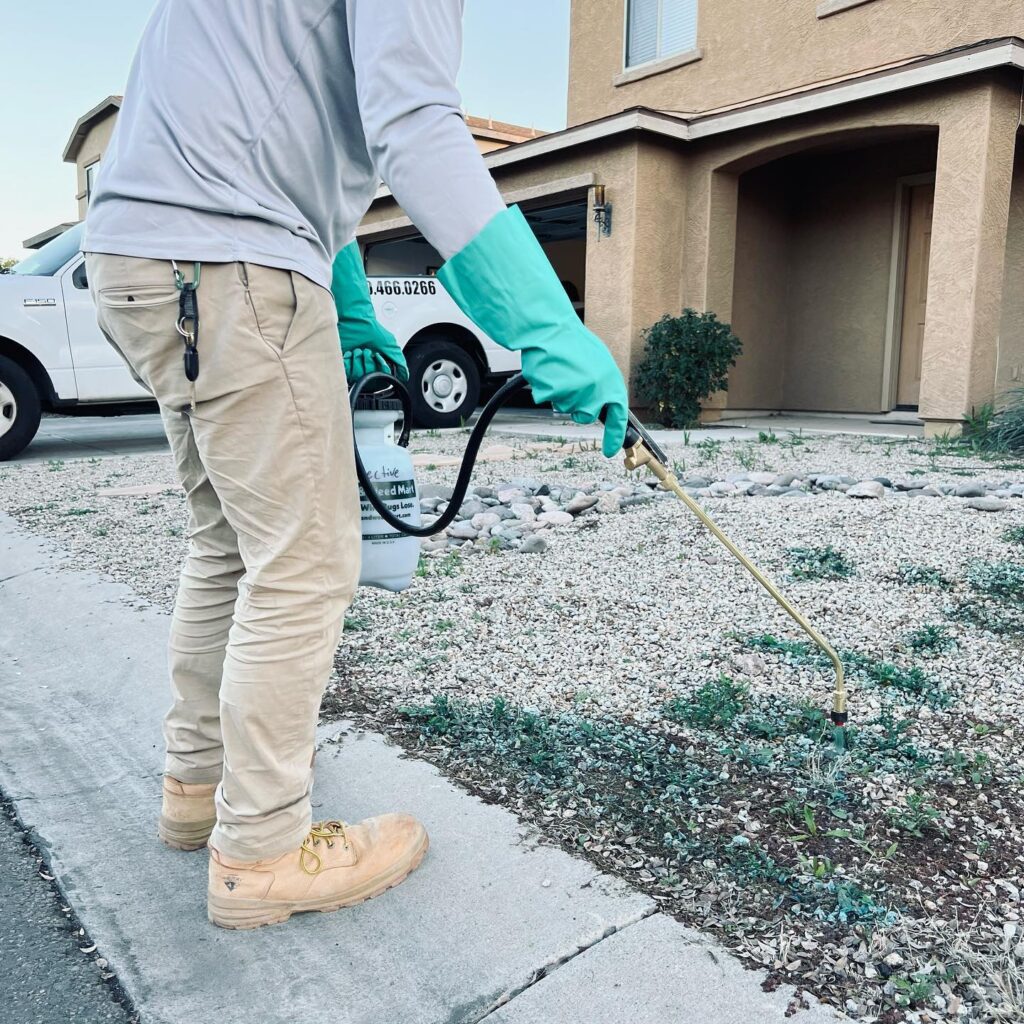
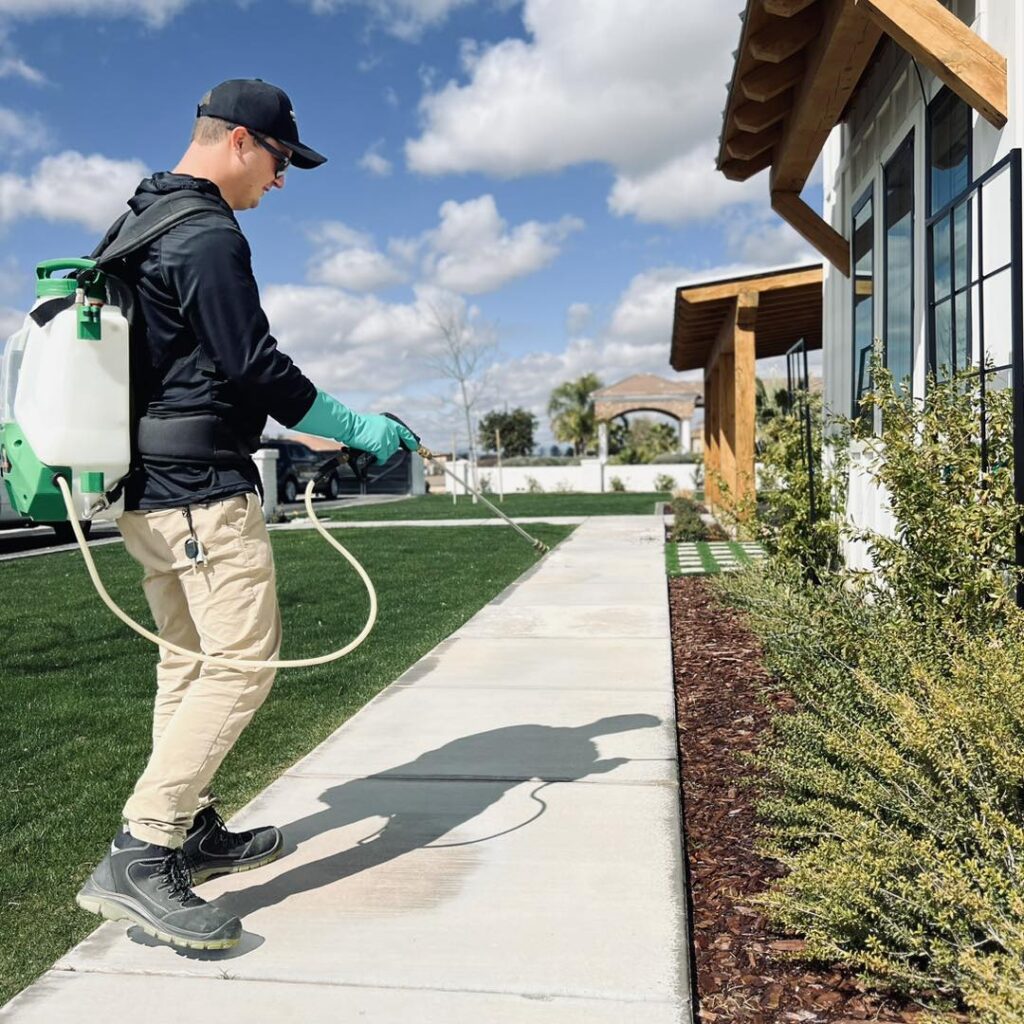
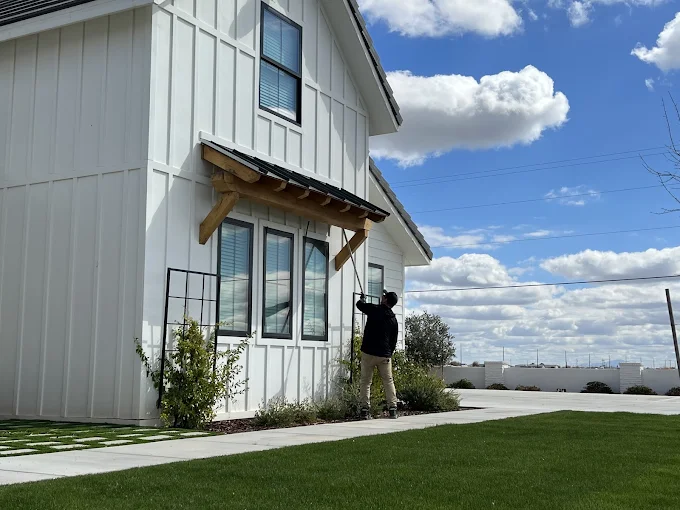
Termite warning signs in Queen Creek, AZ can be easy to miss because termites often stay hidden until damage becomes visible. For many homeowners, the first clue is not seeing the termites themselves, but noticing mud tubes, hollow wood, discarded wings, or unusual changes around doors, windows, and baseboards. In Arizona, termites are not a small issue. The University of Arizona Cooperative Extension describes termites as Arizona’s number one urban pest, with subterranean termites considered one of the state’s major urban pest problems. For Queen Creek homeowners, that means early detection is important. Why Queen Creek Homeowners Should Take Termite Signs Seriously Queen Creek homes can be vulnerable to termite activity because subterranean termites live in the soil and can enter structures through hidden pathways. They may move from the ground into a home through cracks, wood-to-soil contact, plumbing areas, foundation gaps, or shelter tubes. The Arizona Department of Agriculture notes that subterranean termites can severely damage structural timbers, homes, buildings, utility poles, and other cellulose-based structures. This is why homeowners should not wait until the damage looks serious. By the time termite damage becomes obvious, activity may already have been happening behind walls, baseboards, or wood framing. Homeowners in Queen Creek and nearby East Valley areas like San Tan Valley, Gilbert, Mesa, Chandler, and Apache Junction should pay close attention to early termite activity, especially around foundations, garages, patios, and moisture-prone areas. 7 Termite Warning Signs in Queen Creek, AZ Homes 1. Mud Tubes on the Foundation or Garage Walls One of the clearest signs of termites in Queen Creek AZ homes is the presence of mud tubes. These are small, pencil-width tunnels made from soil and termite material. Subterranean termites use these tubes to travel while staying protected. Check around the foundation, garage stem walls, block walls, patios, exterior walls, and plumbing entry points. University of Arizona termite guidance lists mud tubes, also called shelter tubes, as a common sign of subterranean termites. 2. Discarded Termite Wings Near Windows or Doors If you find small, clear wings near windowsills, sliding doors, light fixtures, or entryways, it may be a sign of termite swarmers. Swarmers are reproductive termites that leave a colony to start new ones. Seeing discarded termite wings does not always mean the main colony is inside your home, but it is a strong reason to schedule a termite inspection in Queen Creek AZ. 3. Hollow-Sounding or Soft Wood Termites often eat wood from the inside out. That means the surface may look normal while the inside is damaged. Tap on baseboards, door frames, window trim, cabinets, and garage wood. If the wood sounds hollow, feels soft, or breaks easily, it could be one of the major termite damage signs. This is especially important in areas where wood is close to soil, moisture, or exterior walls. 4. Bubbling Paint or Blistered Surfaces Sometimes termite damage looks similar to water damage. Paint may bubble, drywall may look uneven, or trim may appear warped. These signs are easy to ignore because homeowners often assume they are caused by humidity or a minor leak. However, if bubbling paint appears near baseboards, doors, bathrooms, laundry rooms, kitchens, or exterior-facing walls, it is smart to have the area checked. 5. Doors or Windows That Suddenly Stick A door or window that becomes hard to open does not automatically mean termites are present. But termites can damage wood framing and cause slight changes in how doors and windows fit. If sticking doors or windows appear along with mud tubes, hollow wood, or winged insects, it may be time to call a local termite company in Queen Creek. 6. Tiny Droppings or Frass Near Wood Areas Some homeowners search for termite droppings when they suspect an infestation. Frass is more commonly connected with drywood termites and may look like tiny wood-colored pellets or sawdust-like material. Because different termite species require different treatment methods, do not guess. A professional can identify whether the material is termite-related, old damage, wood debris, or another pest issue. 7. Visible Damage Near Wood-to-Soil Contact Areas Wood that touches or sits close to soil is a common risk area. Check patio posts, fence connections, wood trim, garage framing, exterior wood, and landscaping areas near the home. Subterranean termites can enter structures through wood that directly contacts soil or by building shelter tubes. If you see damage in these areas, avoid disturbing active mud tubes before an inspection if possible. Where Should You Check for Termites Around Your Home? Homeowners can look for warning signs in high-risk areas such as foundation edges, garage walls, baseboards, window and door frames, plumbing penetrations, patio posts, block walls, wood fencing, landscaping near the foundation, and moisture-prone areas. If you are searching for termite inspection because something looks suspicious, it is better to schedule an inspection early than wait for more visible damage. What Should You Do If You See Termite Warning Signs? If you notice mud tubes, discarded wings, hollow wood, or suspicious damage, avoid breaking open the area or spraying it with store-bought products. Disturbing termite activity can make it harder to identify the source. Instead, take photos, note where you saw the signs, and contact a local termite professional for an inspection. A trained technician can help determine whether the issue is active termite activity, old damage, moisture damage, or another pest problem. When Should You Call a Termite Professional? You should call a professional if you notice mud tubes, hollow wood, swarmers, discarded wings, damaged trim, bubbling paint, sticking doors, or suspicious activity around the foundation. ProStrike Pest Solutions provides professional termite inspection and treatment in Queen Creek, AZ and across the East Valley. The company is family-owned, based in Queen Creek, and licensed through the Arizona Pest Management Division with AZ Lic #10175. FAQ: Termite Warning Signs in Queen Creek, AZ What is the first sign of termites in a house? Mud tubes, discarded wings, and hollow-sounding wood are often among the first visible signs. However, termites may stay