If you want to protect your Queen Creek home from termite damage, you need to act early. In Arizona’s desert climate, termites are active most of the year, and by the time you notice them, the damage may already be expensive.
For homeowners in Queen Creek and the East Valley, termite prevention isn’t optional. It’s part of maintaining your home. This guide breaks down what to watch for, what attracts termites, and what actually works to keep them out for good.
Why Termites Are a Serious Problem in Queen Creek, AZ
Termites thrive in the conditions found across Queen Creek. Warm temperatures, dry soil, and residential irrigation create the perfect environment for colonies to grow undetected.
The most common species in the area is the subterranean termites Arizona homeowners deal with regularly. These termites live underground and build hidden tunnels into homes, often going unnoticed for months or even years.
That’s why termites in Queen Creek AZ are such a concern. They don’t just show up. They establish colonies and quietly cause structural damage over time.
Types of Termites Found in Queen Creek Homes
Subterranean Termites (Primary Threat)
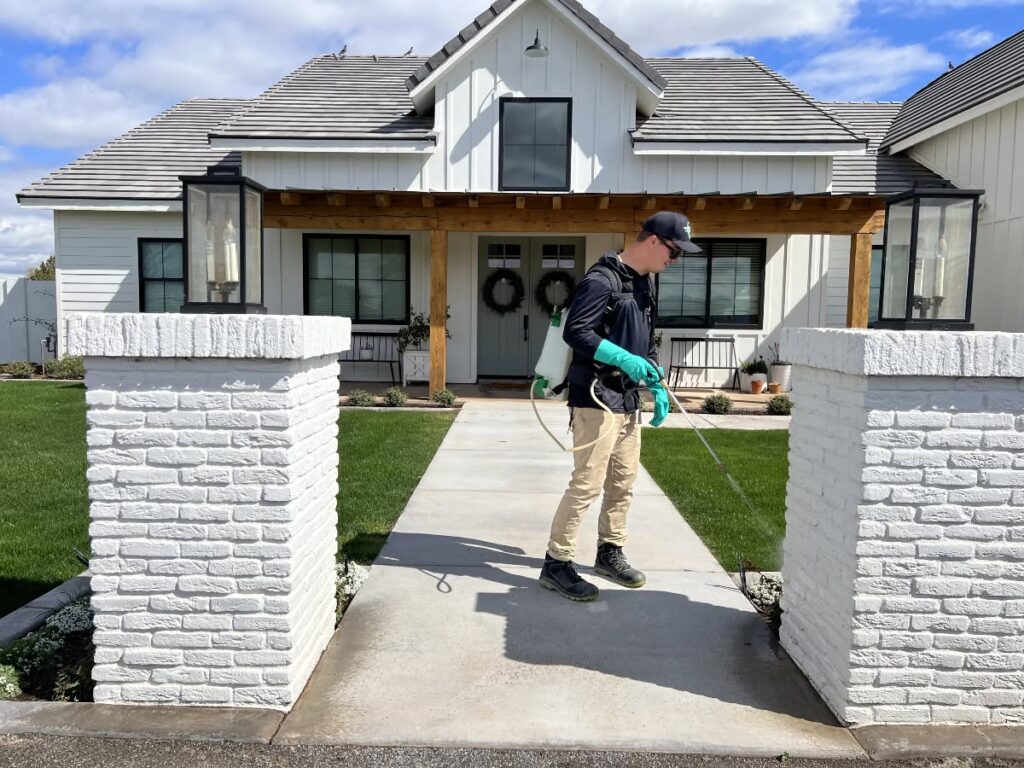
These are the most destructive termites in the region. They live in soil and build mud tubes to access your home. Once inside, they feed on wood structures, weakening your home from the inside out.
Drywood Termites (Less Common)
Drywood termites don’t require soil contact, but they are less common in Queen Creek compared to subterranean termites. Still, they can infest wooden structures and furniture if left unchecked.
Early Warning Signs of Termite Damage
Spotting termites early can save you thousands in repairs. Here are the most common signs of termites in home:
- Mud tubes along your foundation or walls
- Hollow-sounding wood when tapped
- Discarded wings near windows or doors
- Bubbling or peeling paint
- Doors or windows that suddenly stick
If you notice any of these, it’s time to schedule a termite inspection Queen Creek AZ right away.
What Causes Termite Infestations in Queen Creek Homes
Understanding what attracts termites is key to prevention. Here are the biggest risk factors:
Moisture Around the Foundation
Even in the desert, irrigation systems, leaks, and poor drainage create moisture zones termites love.
Wood-to-Soil Contact
Fence posts, siding, and wooden structures touching soil give termites direct access to your home.
Landscaping Issues
Dense vegetation and mulch placed too close to the house can trap moisture and create hiding spots.
Cracks and Entry Points
Small gaps in your foundation or walls can become entry points for termites.
These are all common causes of termites in house situations in Arizona homes.
How to Prevent Termite Damage in Queen Creek
Preventing termites requires a mix of maintenance and awareness. Here’s what works:
Reduce Moisture
- Fix leaks immediately
- Ensure proper drainage around your home
- Avoid overwatering near the foundation
Eliminate Wood Contact
- Keep wood structures off the soil
- Store firewood away from your home
Maintain a Clean Perimeter
- Trim plants and bushes
- Keep mulch and debris away from the foundation
Seal Entry Points
- Close cracks in your foundation
- Seal gaps around doors and windows
These termite prevention tips go a long way, but they work best when combined with professional inspections.
Why DIY Termite Control Doesn’t Work Long-Term
Many homeowners try sprays or store-bought treatments, but these rarely solve the problem.
Here’s why:
- Termite colonies live underground and out of reach
- Surface treatments don’t eliminate the source
- DIY solutions are temporary at best
That’s why searches like DIY termite treatment vs professional often lead homeowners to realize professional help is the only reliable option.
The Importance of Professional Termite Inspections
A proper inspection goes beyond a quick look around your home. It includes:
- Full perimeter inspection
- Checking foundation and structural areas
- Identifying active and potential problem zones
- Evaluating risk factors specific to your property
Regular professional termite inspection services help catch problems early before they turn into major repairs.
Professional Termite Treatment Options
When termites are found, treatment needs to be targeted and effective.
Liquid Barrier Treatments
These create a protective zone around your home, preventing termites from entering.
Customized Treatment Plans
Every home is different. The best termite treatment Queen Creek AZ solutions are based on the level of activity and risk factors.
Ongoing Monitoring
Even after treatment, monitoring ensures termites don’t return.
If you’re looking for how to get rid of termites permanently, consistent professional service is the answer.
How Often Should Queen Creek Homes Be Checked for Termites?
In Arizona, annual inspections are the minimum recommendation.
Homes with higher risk factors may need more frequent checks. Regular inspections are part of a smart termite prevention schedule and help maintain long-term protection.
Cost of Termite Damage vs Prevention
Termite damage isn’t cheap. Repairs can easily cost thousands of dollars depending on the severity.
On the other hand, preventative treatments and inspections are far more affordable.
When comparing:
- cost of termite damage
vs - Preventative care
It’s clear that prevention is the smarter investment.
Why Local Expertise Matters for Termite Control
Not all pest control companies understand the unique challenges of Queen Creek.
Local providers know:
- How desert conditions affect termite behavior
- Where termites are most likely to appear
- How to target treatments effectively
Choosing local termite control services in Queen Creek ensures you’re getting solutions tailored to your environment.
How ProStrike Pest Solutions Protects Queen Creek Homes
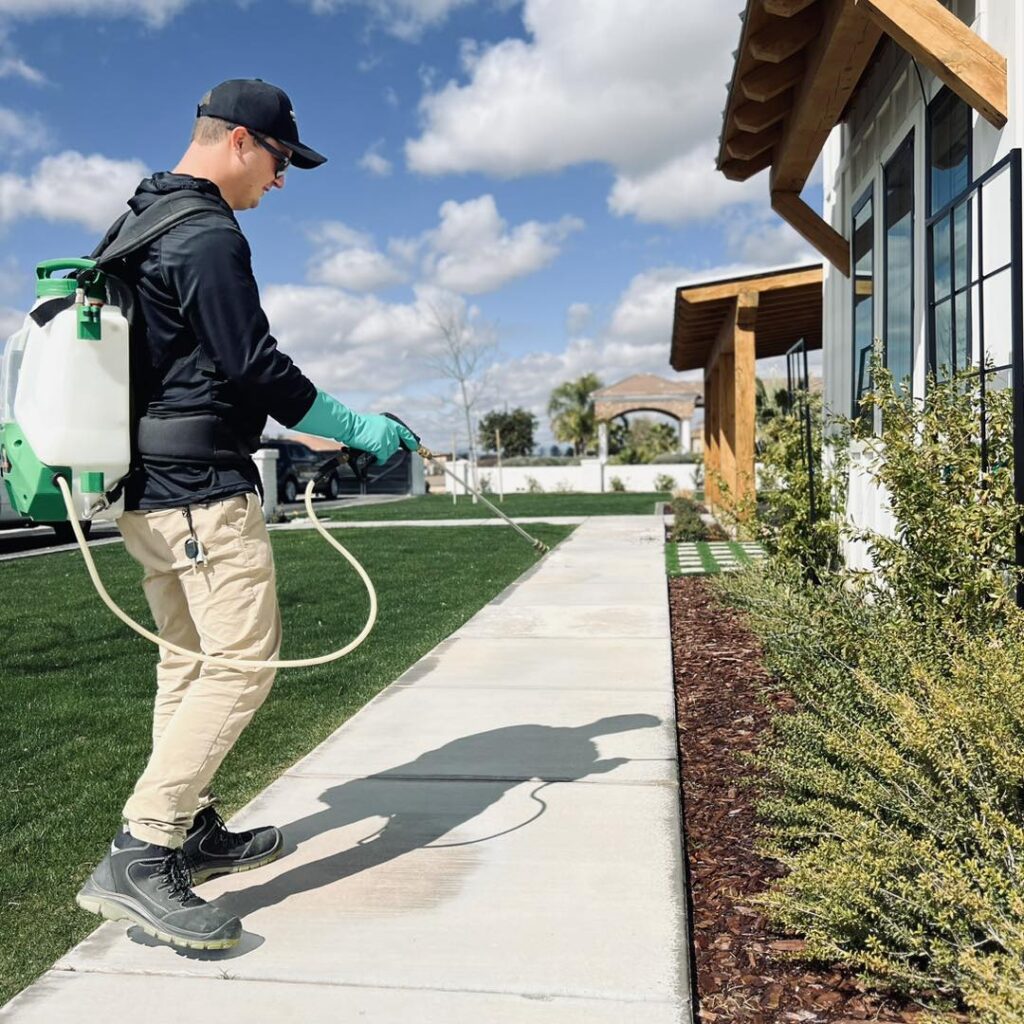
ProStrike Pest Solutions is a local, family-owned company based in Queen Creek. They specialize in protecting homes from termites and other desert pests using a thorough, no-shortcuts approach.
What sets them apart:
- Licensed in Arizona (AZ Lic #10175)
- Detailed inspections that identify real problem areas
- Targeted treatment plans based on your home
- Ongoing protection to prevent future infestations
Their focus is simple: solve the problem at the source and help keep it from coming back.
Conclusion: Don’t Wait Until Termites Cause Damage
Termites don’t make noise. They don’t announce themselves. But they can cause serious structural damage before you even realize they’re there.
If you want to protect your Queen Creek home from termite damage, the best step you can take is being proactive.
Schedule regular inspections, address risk factors, and work with a trusted local professional to keep your home protected year-round.
Contact ProStrike Pest Solutions
Ready to protect your home from termites? Reach out today for a professional inspection or estimate.
- Address: 1274 Spine Tree Ave Queen Creek, AZ 85140
- Phone: (480) 466-0266
- Email: info@prostrikepest.com
Call or text to schedule your service or request a free quote online.
Frequently Asked Questions
How do I know if my house has termites in Arizona?
Look for mud tubes, discarded wings, and hollow wood. A professional inspection is the most reliable way to confirm.
What time of year are termites most active in Queen Creek?
Termites are active year-round in Arizona, but activity often increases in warmer months.
Can termites go away on their own?
No. Termites will continue to grow and cause damage unless properly treated.
Is termite treatment safe for families and pets?
Yes, when applied by licensed professionals using approved methods.
How long does termite treatment last?
Most treatments last several years, but regular inspections are still recommended.